How Cheap Clothes Harm the Planet, People, and Our Future
Fast fashion promises trendy styles at irresistible prices. But beneath the glossy look of cheap apparel lies a global system with hidden costs - for the environment, human rights, and social justice. This article unpacks why fast fashion is one of the most damaging parts of the modern consumer economy - and how conscious choices can make a difference.
What Is Fast Fashion?
Fast fashion refers to a business model where clothing is produced rapidly and inexpensively, mimicking runway trends and selling them for low prices. Brands release new collections constantly, sometimes weekly, encouraging consumers to buy more, wear less, and throw away quickly.
This model thrives on overproduction and overconsumption - and it’s become a dominant force in the global fashion industry.
Environmental Costs: Waste, Pollution, and Carbon Emissions
🌍 1. Huge Carbon Footprint
The fashion sector accounts for around 10% of global carbon emissions - more than international flights and shipping combined - largely due to its energy‑intensive production and transportation.
💧 2. Massive Water Consumption & Pollution
Producing fast fashion uses enormous amounts of water - cotton alone requires thousands of gallons per garment - and dyeing processes release toxic chemicals into rivers, harming ecosystems.
🧴 3. Microplastic Pollution
Synthetic fibers like polyester and nylon, common in fast fashion, shed microplastics when washed - contributing up to 35% of microplastic pollution in the oceans.
🗑️ 4. Textile Waste & Landfills
Fast fashion depends on cheap, low‑quality clothes that are worn only a few times. Studies show massive textile waste - with millions of tons of garments ending up in landfills each year - and less than 1% of clothing actually recycled into new products.
Human Costs: Exploitation Behind the Price Tag
🧵 Underpaid & Unsafe Labor
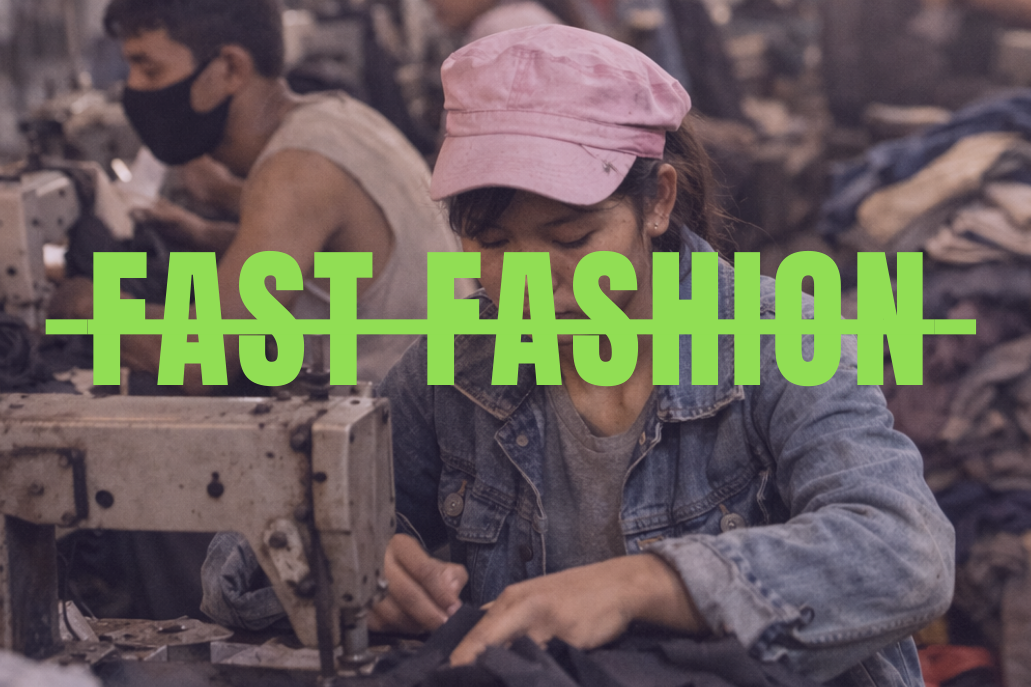
Fast fashion brands often rely on factories in developing countries where workers earn far below living wages and face unsafe working conditions. Some estimates suggest only around 2% of garment workers earn a living wage, with many enduring long hours, minimal protection, and gender‑based discrimination.
📉 Race to the Bottom
Because fast fashion keeps prices artificially low, factories must cut costs - often at the expense of workers’ health and rights. This creates a cycle of exploitation that is difficult to trace due to opaque supply chains.
The “Fast” Problem: Speed & Overconsumption
Fast fashion’s success is not just about low prices - it’s about speed. Brands are producing and selling clothes faster than ever before:
-
Some fast fashion items go from design to sale in as little as 10 days.
-
Garments are often discarded after fewer than 10 wears.
This rapid cycle creates a throwaway culture where clothing is treated as disposable - an environmental disaster disguised as affordability.
Why Fast Fashion Can Never Be Truly “Sustainable”
Some brands attempt greenwashing - adding sustainability language to marketing while maintaining the same production and consumption model. However:
-
The fundamental fast fashion model is built on rapid turnover and overproduction, which inherently requires large resource use and waste.
-
Even recycled or “eco” lines seldom address the underlying issues of waste, labor rights, and pollution.
As long as the industry emphasizes quantity over quality, true sustainability is elusive.
What You Can Do: Conscious Consumption
There’s no simple fix, but meaningful alternatives exist:
♻️ 1. Choose Quality Over Quantity
Buy fewer garments that are designed to last - the opposite of fast fashion’s disposable mindset.
🧵 2. Support Ethical Brands
Look for transparent supply chains and brands that prioritize environmental and social responsibility.
♻️ 3. Invest in Circularity
Support brands that design for repair, reuse, and recycling.
How NEW WORLD GUARDIANS Does Things Differently
At NEW WORLD GUARDIANS, we believe fashion should not cost the earth - in lives, ecosystems, or futures. Our values include:
-
Transparency
-
Vegan and cruelty‑free products
-
Durable, sustainable design that avoids short‑lived trends
Instead of fast fashion, we focus on timeless, ethical pieces that respect people and the planet.
Conclusion: Fast Fashion Is Not Just Cheap Clothes - It’s a Global Problem
Fast fashion’s cheap price hides a high cost: environmental destruction, wasted resources, and exploitation of workers. With rising global awareness and movements pushing for change - from importing issues in Ghana to campaign efforts like Fashion Revolution’s transparency initiatives - it’s clear that more sustainable systems are needed.
If we choose quality over quantity, demand transparency, and support ethical alternatives, we make a statement: fashion can be beautiful and responsible.
Sources & Further Reading
-
Earth.org — Fast Fashion’s Environmental Impact (2025)
-
UniformMarket — Fast Fashion Statistics (2025)
-
Fashion Revolution / Transparency Movement (ongoing)
Ready to walk away from fast fashion?
Explore our cruelty-free, durable, and consciously made alternatives - made for people who care.
👉 Discover our vegan shoes and sustainable fashion
💚 Every step you take with NEW WORLD GUARDIANS supports ethical production, conscious living & our amazing aid projects.